Psoriasis is not a single disease — it has several distinct forms, and the two most common are plaque psoriasis and guttate psoriasis. They share an underlying immune mechanism but look different, behave differently and often need different treatment plans. Knowing which type you have helps you make sense of your symptoms and your options.
Plaque Psoriasis: The Common Pattern
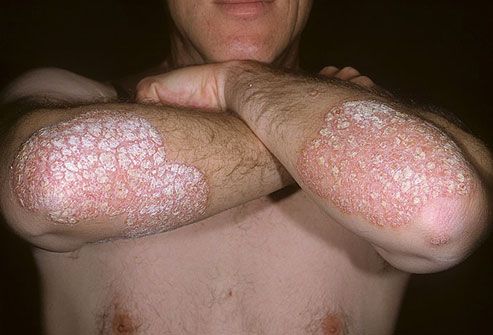
About 80 to 90 percent of people with psoriasis have the plaque type. It shows up as well-defined, raised, red or purplish patches covered with silvery-white scale. Typical sites are elbows, knees, lower back and scalp, but plaques can appear anywhere. They tend to be persistent and symmetric, often itching or cracking when dry.
Guttate Psoriasis: Sudden and Scattered
Guttate psoriasis appears as many small, drop-shaped red spots, usually across the trunk, arms and legs. The name comes from the Latin word for drop. It often starts suddenly in children, teenagers or young adults, frequently two to three weeks after a streptococcal throat infection. The lesions are smaller, thinner and less scaly than plaque psoriasis.
Triggers and Onset
Plaque psoriasis usually develops gradually and is driven by a mix of genetics, stress, skin injury, weight, alcohol and certain medications. Guttate psoriasis is more strongly tied to infection — strep is the classic trigger, but other viral and bacterial illnesses can do it. Identifying and treating the infection can shorten a guttate episode.
How They Are Diagnosed
A dermatologist can usually diagnose both types by examining the skin. A throat swab for strep is often part of the workup for new guttate psoriasis. A skin biopsy is rarely needed but can help if the diagnosis is unclear or another condition is suspected.
Treatment Differences
Plaque psoriasis is treated in steps: emollients and topical steroids or vitamin D analogues for mild disease, phototherapy and systemic medications including biologics for moderate to severe disease. Guttate psoriasis often improves on its own within a few months, especially after the underlying infection is treated. Phototherapy works particularly well for widespread guttate lesions. Some people with a guttate episode never have another; others go on to develop plaque psoriasis later.
Living With Either Type
Stress management, moisturizing, sensible alcohol intake, not smoking and treating infections early apply to both forms. Skin trauma can trigger new lesions in either type via the Koebner phenomenon, so gentle skin care matters. For a clear, regularly updated patient overview of the different psoriasis types, see the American Academy of Dermatology psoriasis overview.
The Bottom Line
Plaque psoriasis tends to be chronic and patchy; guttate psoriasis tends to be sudden, widespread and infection-linked. The right treatment depends on which you have, how much skin is involved and how it affects your life. A dermatologist visit is worth it, especially if symptoms are new, spreading or not responding to basic care.